
The Contradiction Of The Labor Marketplace

Table of Contents
Politicians in the U.S. whether at the state or federal level, like to discuss and implement programs that help people get new jobs. These programs are usually framed to help workers earn more money. Universities also like to promote their focus on education for high-paying jobs (i.e. focus on science, math, and engineering programs). They have a vested interest in the labor marketplace and its supply.
The issue here is when labor is in a marketplace, it is subject to the demand and supply effect, meaning that if you decrease the supply, the price increases, and if you increase the supply of a good, the price drops. A throwback to your college courses:
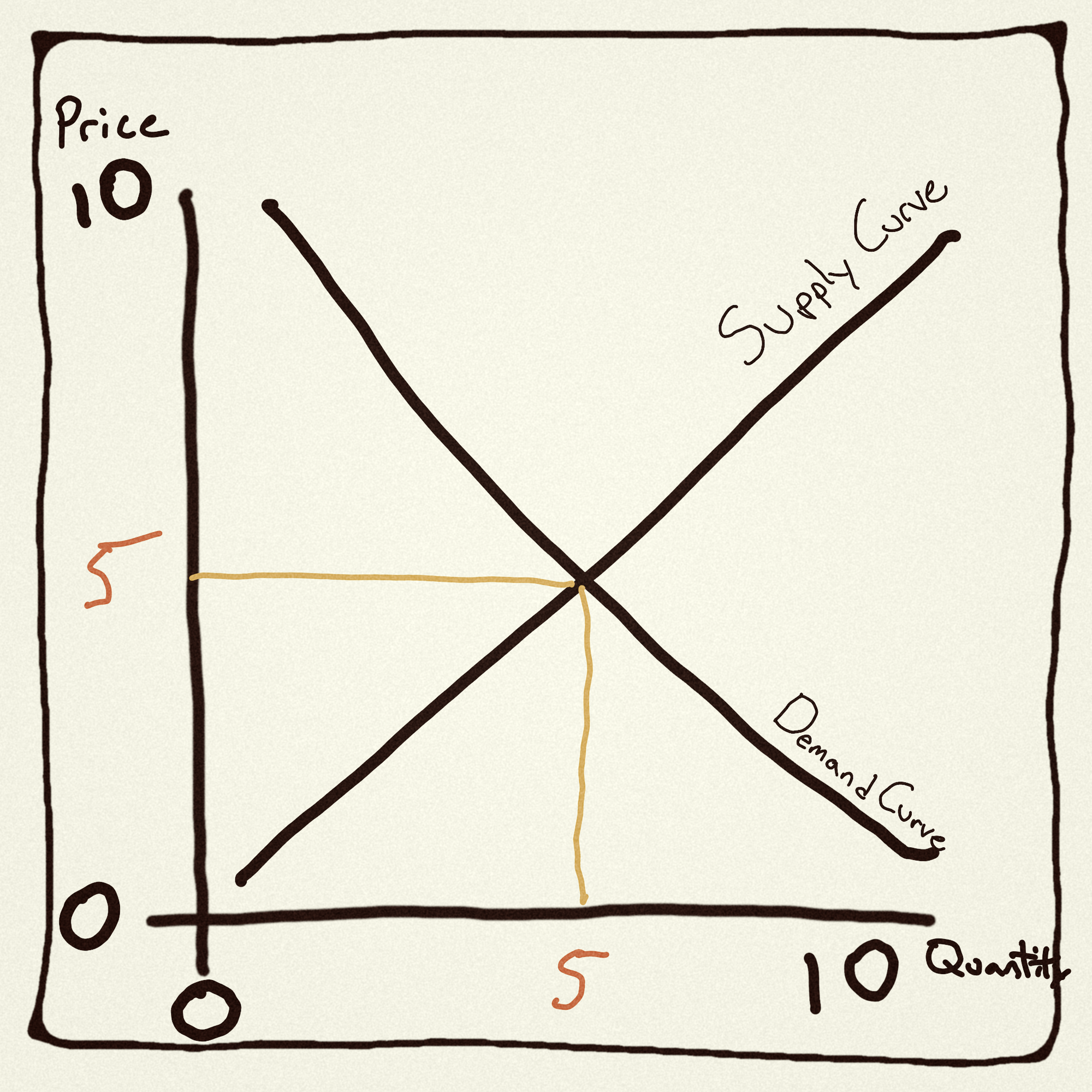
I want to discuss the labor market. It is a two-sided marketplace: the labor provider and the labor consumer.
In this marketplace, the labor provider is anyone who sells their time to complete some kind of task, such as preparing food, serving food, writing software, etc. They do so for money to buy, at minimum, the basic necessities of life.
The labor consumer is the entity that buys that labor to accomplish a task. It can be any task, but they pay some amount of money for someone's time and skill.
The contradiction is this: if labor is a marketplace, won't the incentives to enter a markets with high prices (salary) inevitably drive those prices down, erasing any benefits that market was giving to the workers, and moving that benefit entirely to corporations?
How Labor Shortage Affects The Marketplace:
15-20 years ago, software engineers were in such high demand and low supply that they could demand high wages simply because they had a skill that was extremely hard to find and fill. Over the last 15-20 years, many people have realized that they can become software engineers and make a decent salary.
Governments and institutions like universities have prioritized STEM programs to introduce candidates into that labor market to help with the talent shortage. Boot camps are also a phenomenon that has appeared to help people up-skill themselves to earn more money, where traditional education has failed. These are presented as a way to get a well-paying and secure job. Furthermore, YouTube, Google, and ChatGPT have made becoming a self-taught software engineer easier.
What is the effect of so many resources put into the labor supply? It shifts the supply curve to the right:
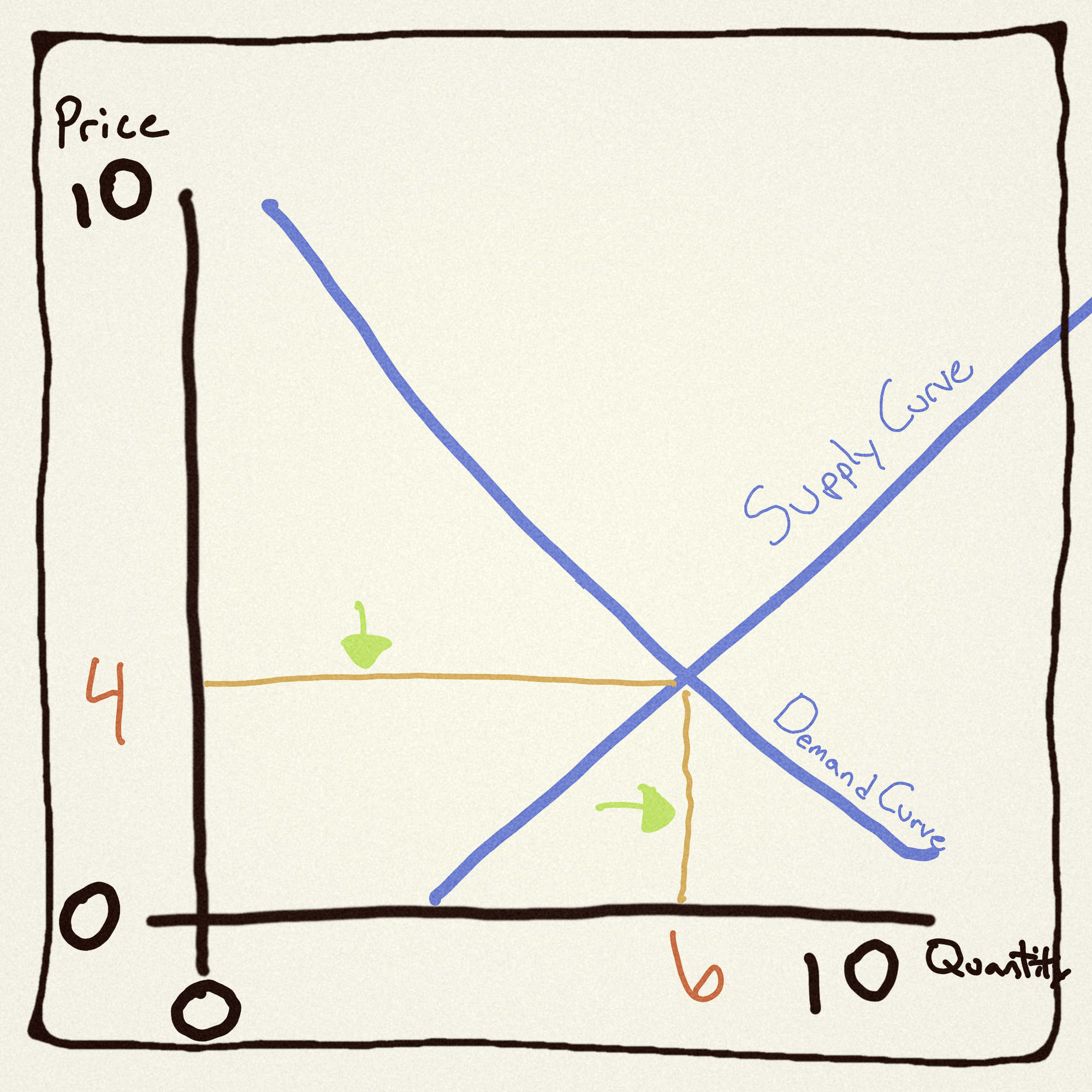
Ten years ago, it was unheard of that big tech would have layoffs and that those layoffs would impact software engineers, but in the last 2-5 or so years, tech has been having round after round after round of layoffs. There are a lot of mechanisms that play a role in this, but the main one is that there is just more talented software engineers in the market place, and so many tools have been built that increase engineer productivity.
I'm using software engineering as an example, but really, any sector would be subject to this effect. Introducing more people into the labor market, reduces the wages of those workers. I also won't deny the opposite effect in the marketplace that if enough people leave the marketplace, the cost of that labor goes. So, employers would have to pay more to "incentivize" people to work.
Google/Apple Lawsuit
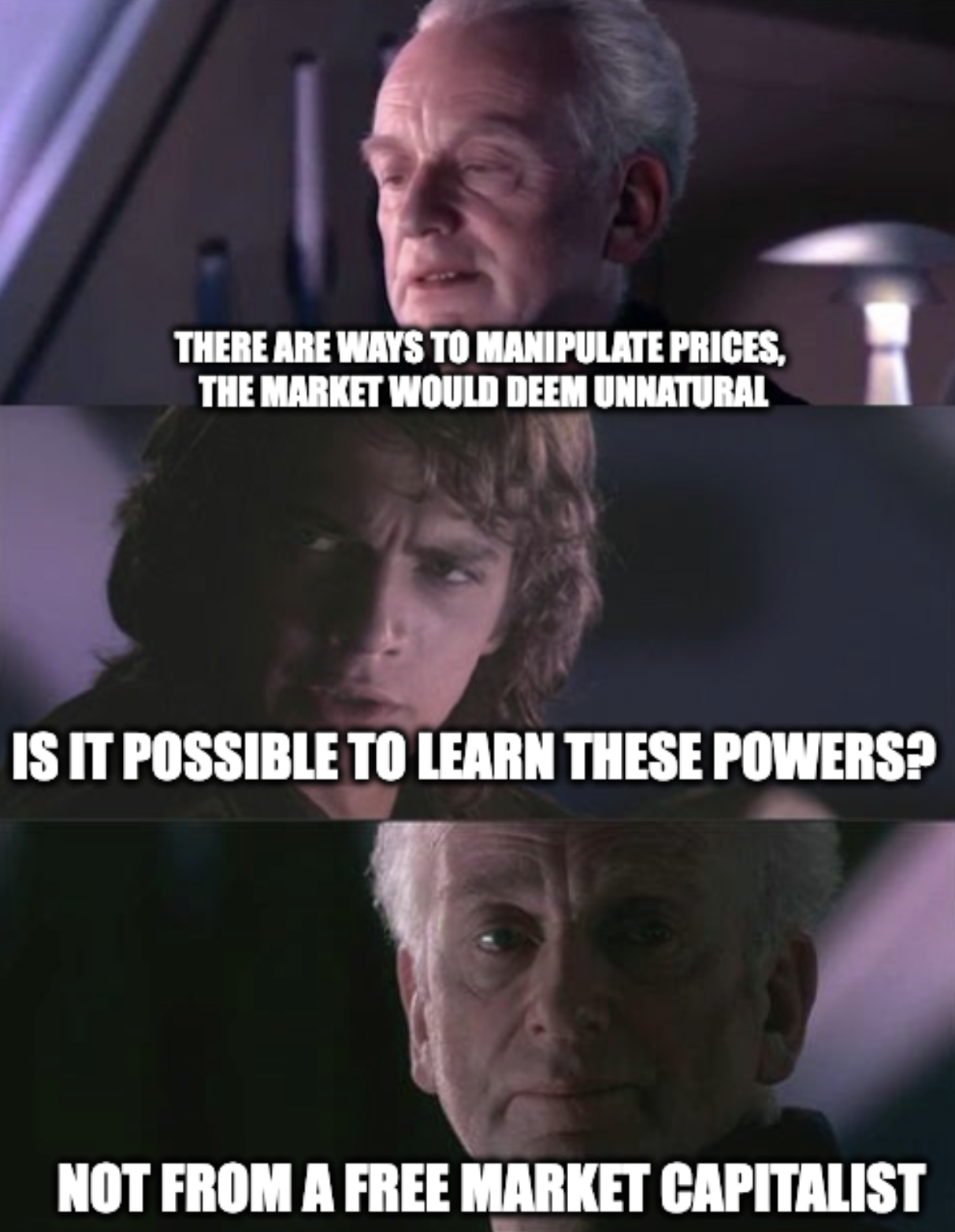
There are other ways that the labor market can be manipulated[1]. Software engineers were in such demand that Google, Apple and other tech companies colluded illegally to keep wages down by not poaching talent from each other. They ended up settling, but the damages can't truly be measured. As we've seen, the labor market is affected by people entering it. If companies were not poaching talent, they kept the demand artificially low, meaning that people lost wages.
Why You Should Care About This Effect:
The reason to understand this effect is to realize that every effort to help people by helping them get better-paying jobs is a futile effort (within a capitalist society, and especially in our moment where the concentration of wealth and production is so high and continues to get worse).
It's circular:

An argument would be: well, this is how innovation happens. But as I discussed in my previous post, this only leads to the prioritization of things that are most profitable. Innovation is a side effect and is purely for profit purposes, not to better the planet or better peoples lives[2].
What Should We Advocate For?
Within a capitalist society, unions are the best way to play defense. We should be a society that values and promotes unions as a way to ensure that wages, benefits and employment are protected.
But unions are best for playing defense. Sometimes you win with an incredible defense, but its sometimes better to change the game entirely. So we should advocate for a system that does not contain any labor market place at all. Why should our labor be subject to the demand of corporations? They can change demand at any moment and drop our wages. I say we do not even partake in this marketplace.
What do you think?
[1] There is not such thing as a free market, and that is a meme for fun. In a free market, everything is on the table, including legislation and introducing caps and things of that nature to protect a companies interest. People sometimes want to believe that a free market, would be a place where there is not interferring in the market forces by the government. But in order to ensure people didn't interfere with market forces, i.e use legislation and policy to gain an advantage, someone would have to enforce that, thereby making it impossible to actually have a free market. Free market is a myth. In capitalism, anything and everything is on the table, to gain an advantage. Return to section.
[2] I want to say this generally. Companies do make things that make poeples lives easier. It just happens to be by chance. We can see now in 2024, that a lot of innovation we get, is a consequence of its profitablity. The net negative affects are greater than the net positives. People like to argue: but you're typed that on your laptop, thats innovation from capitalism. Sure, but I believe that computers would have been created anyways. When thinsg are profit driven, you get missiles, you get war, micro plastics, climate change, pollution, exploitation, for the sake of seeking profits. Return to section.

Proto-Contradiction Newsletter
Join the newsletter to receive the latest updates in your inbox.